The True Cost of Unsafe Bathrooms: Why Professional Accessibility Remodeling Pays for Itself
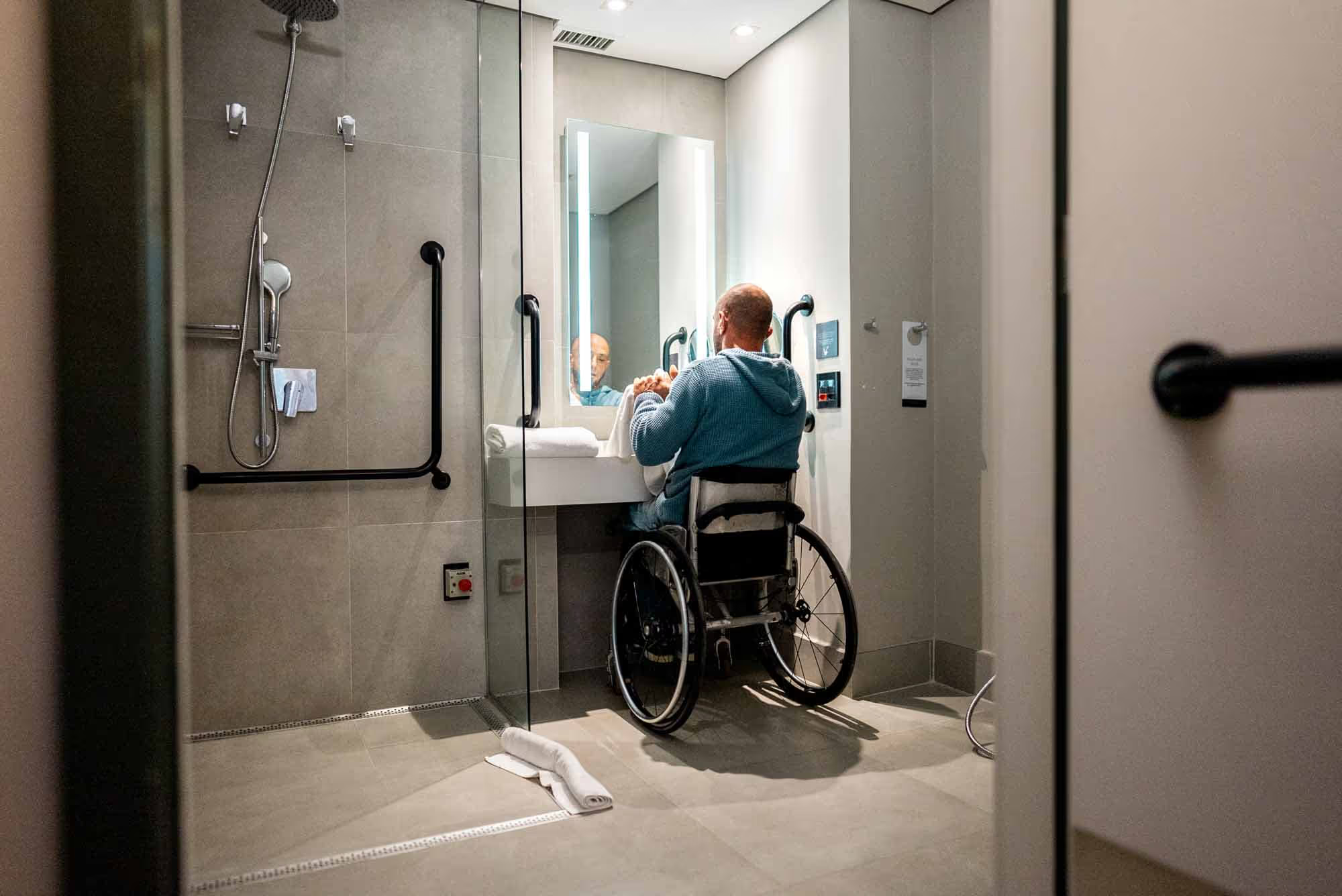
The True Cost of Unsafe Bathrooms: Why Professional Accessibility Remodeling Pays for Itself

The True Cost of Unsafe Bathrooms: Why Professional Accessibility Remodeling Pays for Itself
The True Cost of Unsafe Bathrooms: Why Professional Accessibility Remodeling Pays for Itself
The True Cost of Unsafe Bathrooms: Why Professional Accessibility Remodeling Pays for Itself
You know your bathroom is dangerous. You've thought about installing grab bars. You've considered converting that bathtub into a walk-in shower. You've even looked up contractors.
But then you see the price, and you hesitate.
"Is it really worth spending that much? Maybe I can just be more careful. Maybe it's not as urgent as they're making it sound."
Here's what most people don't realize: The real cost isn't what you'll pay for accessibility remodeling. It's what you'll pay if you don't.
The External Problem: Bathrooms Are Hazardous by Design
Let's start with the facts. Bathrooms are inherently dangerous spaces, especially for older adults and people with mobility challenges:
- Hard, slippery surfaces (tile, porcelain)
- Water creating slip hazards
- Confined spaces with sharp corners and hard edges
- Need to stand, balance, and maneuver while wet
- High bathtub edges requiring climbing
- Poor lighting in many older bathrooms
The CDC reports that approximately 234,000 bathroom injuries send people to emergency rooms each year. Over 80% of these are fall-related, with the highest risk among adults 65 and older.
Your bathroom isn't getting safer as you age—you're just getting more vulnerable to its existing hazards.
The Internal Problem: Every Shower Becomes Stressful
Beyond the physical dangers, there's an emotional and psychological cost to living with an unsafe bathroom.
You're anxious every time you step into the shower. You steady yourself on towel bars (which aren't designed to hold weight). You move slowly, carefully, aware that one slip could change everything.
You're frustrated that a simple daily task—bathing—has become this complicated and frightening.
You feel a loss of dignity. Maybe you've started avoiding showers. Maybe you need help from family members for something you used to do independently. Maybe you've fallen and experienced the embarrassment and fear that come with that.
This constant stress takes a toll on your mental health and quality of life that's impossible to quantify—but it's very real.
The Philosophical Problem: Your Bathroom Should Support You, Not Threaten You
At its core, here's what's wrong with this situation: No one should feel unsafe in their own bathroom.
Your home—and especially intimate spaces like your bathroom—should be places of comfort, safety, and dignity. A bathroom that threatens your safety every time you use it undermines your independence and wellbeing.
You deserve better. And there are proven solutions that can transform your bathroom from a hazard zone into a safe, accessible, comfortable space.
The Hidden Costs of Unsafe Bathrooms (Why "Doing Nothing" Is the Most Expensive Option)
Let's talk about the real financial impact of delaying bathroom accessibility modifications:
Cost #1: Emergency Room Visits and Medical Bills
A bathroom fall isn't just painful—it's expensive.
Emergency room visit: $1,000-$3,000+ (depending on treatment needed)
Hip fracture treatment: $40,000-$60,000 on average
Hospital stay: $1,500-$3,000+ per day
Surgery costs: $15,000-$50,000 depending on complexity
Rehabilitation and physical therapy: $5,000-$15,000
According to the National Council on Aging, falls cost older Americans over $50 billion annually in medical expenses. Medicare and private insurance cover most, but you're still responsible for deductibles, co-pays, and uncovered services.
Even with insurance, a single fall can cost you $5,000-$10,000+ out of pocket.
Cost #2: Long-Term Care and Loss of Independence
The consequences of a serious bathroom fall often extend far beyond the initial injury.
Research from the American Geriatrics Society shows that individuals who suffer a hip fracture:
- Have a 50% chance of not returning to their previous level of independence
- Face significantly increased risk of entering a nursing home within a year
Nursing home costs in Minnesota: $7,000-$10,000+ per month ($84,000-$120,000+ annually)
Many people who fall in their bathrooms end up in assisted living or nursing homes—not because they want to, but because they or their families don't feel safe at home anymore.
The cost of a few years in a nursing home could easily exceed $200,000-$400,000.
Compare that to the one-time investment in professional bathroom accessibility remodeling, and suddenly that $8,000-$15,000 for a complete bathroom modification doesn't seem expensive—it seems like the bargain of a lifetime.
Cost #3: Reduced Quality of Life (The Incalculable Cost)
Some costs can't be measured in dollars:
- Anxiety and fear that accompanies every bathroom visit
- Loss of independence and need to rely on others for basic hygiene
- Reduced social engagement (avoiding outings because you're afraid to use unfamiliar bathrooms)
- Depression and isolation that often follow falls and loss of mobility
- Caregiver stress on family members who worry constantly
According to research published in the Journal of the American Medical Association, fear of falling reduces activity levels, which leads to muscle weakness, which increases fall risk—creating a vicious cycle.
The cost of living in fear in your own home is immeasurable—but it's real.
Cost #4: The "DIY" Solution That Fails (And Costs You Twice)
Many homeowners try to save money by:
- Installing "grab bars" themselves (anchored only to drywall, not studs)
- Buying cheap bath mats or stick-on treads
- Having a handyman make amateur modifications
- Using shower chairs without proper drainage or shower modifications
The problem? These solutions often don't work—or worse, they create a false sense of security that leads to injuries.
A grab bar that rips out of the wall when you need it most doesn't save money—it fails exactly when it matters. An improperly installed walk-in tub that leaks causes thousands in water damage repairs.
When amateur solutions fail, you pay twice: once for the failed solution and again to fix it properly.
Even worse, if a fall happens because of improper modifications, you're back to the medical costs and potential long-term care expenses outlined above.
Learn why professional installation matters
The Investment That Actually Saves Money: Professional Accessibility Remodeling
Now let's look at the other side of the equation: what professional bathroom accessibility modifications cost—and why they're actually an investment that pays for itself.
Typical Bathroom Accessibility Costs
Grab bars (professional installation): $200-$500 per bar
Tub-to-shower conversion: $5,000-$12,000
Walk-in tub installation: $6,000-$15,000
Complete accessible bathroom remodel: $10,000-$20,000
Basic safety modifications (grab bars, non-slip flooring, lighting): $2,000-$5,000
See our accessible bathroom remodeling services
Why Professional Installation Is Worth Every Penny
1. Safety That Actually Works
Professional contractors like Remodel for Life:
- Anchor grab bars into wall studs or blocking (able to support 250+ pounds)
- Follow ADA accessibility guidelines for proper placement and dimensions
- Use slip-resistant materials that genuinely prevent falls
- Install proper drainage to prevent water accumulation
- Ensure shower thresholds meet accessibility standards (or eliminate them entirely)
When installed correctly, these modifications dramatically reduce fall risk—protecting you from the catastrophic costs outlined above.
2. Durability and Longevity
Quality materials and expert craftsmanship mean:
- Modifications last 20-30+ years
- Minimal maintenance required
- No costly repairs from improper installation
- Materials selected for Minnesota's climate and humidity
Amortized over 25 years, a $12,000 bathroom remodel costs just $480 per year—about $40 per month for daily safety and peace of mind.
Compare that to one month in a nursing home ($8,000+) or the cost of a single fall-related hospital stay ($10,000+).
3. Preserved (or Enhanced) Home Value
Contrary to popular belief, accessibility modifications don't hurt home value—they often enhance it.
As the population ages, accessible homes are increasingly desirable. Features like:
- Curbless showers
- Wider doorways
- Grab bars
- Non-slip flooring
- Good lighting
These are becoming standard expectations rather than specialized accommodations. According to the National Association of Home Builders, universal design features appeal to buyers across all age groups.
A well-designed accessible bathroom can be a selling point, not a liability.
4. Independence and Quality of Life
The value of being able to bathe independently, safely, and without fear—that's priceless.
Professional accessibility modifications restore:
- Confidence: You're not afraid to shower anymore
- Independence: You don't need help with personal hygiene
- Dignity: You maintain privacy and self-sufficiency
- Peace of mind: Your family isn't constantly worried
Staying in your own home, living independently, is worth far more than any dollar amount.
How to Actually Afford Professional Bathroom Accessibility Remodeling
"Okay, I understand it's worth it—but I still don't have $15,000 sitting around."
The good news: You might not need to pay for it yourself.
Minnesota Waivered Services
If you or a family member has a disability or qualifies based on age and medical necessity, Minnesota's Department of Human Services offers waivered services that can pay for your bathroom modifications.
Programs include:
- Elderly Waiver (EW)
- Community Alternative Care (CAC)
- Community Access for Disability Inclusion (CADI)
- Brain Injury (BI) Waiver
- Developmental Disabilities (DD) Waiver
Remodel for Life is a licensed Minnesota Medicaid provider, which means we can work directly with your case manager to access these funding sources.
Learn about Minnesota waivered services funding
VA Benefits for Veterans
If you're a veteran, programs like:
- Specially Adapted Housing (SAH) grants
- Home Improvements and Structural Alterations (HISA) grants
These can cover significant bathroom modification costs.
Explore VA funding options for home modifications
Financing and Payment Plans
Many families use:
- Home equity lines of credit (HELOCs)
- Personal loans
- Payment plans through contractors
- Reverse mortgages (for older homeowners)
The Stakes of Choosing Poorly (Or Not Choosing at All)
Let's be honest about what's at risk if you don't address bathroom safety:
Physical Stakes
- Serious injury from falls (broken bones, head trauma)
- Loss of mobility and independence
- Forced move to assisted living or nursing home
- Reduced quality of life and activity levels
Financial Stakes
- Emergency room visits and hospitalization ($10,000-$60,000+)
- Long-term care costs ($84,000-$120,000+ per year)
- Lost home equity if forced to sell and move
- Family members missing work to provide care
Emotional Stakes
- Constant anxiety and fear
- Loss of dignity and independence
- Burden on family members
- Depression and isolation
- Regret that you didn't act sooner
These stakes are too high to gamble with.
Why Choose Remodel for Life for Your Bathroom Accessibility Project?
Specialized Expertise
We focus exclusively on accessibility remodeling. This means:
- We understand safety standards and ADA guidelines thoroughly
- We've completed hundreds of accessible bathroom projects
- We know what works and what doesn't
- We design solutions specifically for your mobility needs
Learn more about our specialized approach
Licensed Minnesota Medicaid Provider
This distinction means:
- We've passed background checks and professional standards
- We're authorized to work within the waivered services system
- We understand the documentation and process requirements
- We're held accountable to ethical and quality standards
Transparent Process and Pricing
We commit to:
- Clear, detailed estimates with no hidden costs
- Honest timeline expectations
- Regular communication throughout the project
- Respecting your home and your schedule
Proven Results
Our clients consistently report:
- Dramatically improved confidence and safety
- Restored independence
- Beautiful, functional bathrooms that don't look institutional
- Professional, respectful service throughout the process
See completed projects in our gallery
Real Stories: The Investment That Changed Everything
Helen, 74, White Bear Lake:
"I put off my bathroom remodel for two years because of the cost. Then I fell getting out of the tub and broke my wrist. The emergency room and surgery cost over $12,000 even with insurance. If I'd just done the walk-in shower when I first thought about it, I would have saved money and avoided months of pain and physical therapy. Remodel for Life finally did the work, and now I feel safe every day. I only wish I'd done it sooner."
The Anderson Family, Oakdale:
"Our dad needed an accessible bathroom, and we were worried about the expense. Remodel for Life helped us navigate the waivered services system, and Minnesota DHS covered the entire cost. The bathroom is beautiful and safe, and Dad can shower independently now. The value goes far beyond money—it's given him back his dignity."
Mike, 68, Stillwater (Veteran):
"I used my VA grant to fund a complete accessible bathroom remodel. Remodel for Life walked me through the process and did exceptional work. The bathroom is safer, more comfortable, and actually increased my home's value. Best investment I've made in years."
Take Action Before It's Too Late
Every day you delay is another day of unnecessary risk. Falls don't schedule appointments—they happen suddenly, when you least expect them.
The question isn't whether you can afford to make your bathroom safe. It's whether you can afford not to.
Here's your next step:
- Schedule a free consultation to assess your bathroom's safety and discuss solutions
- Explore funding options including waivered services, VA benefits, and financing
- Receive a transparent estimate with detailed costs and timeline
- Experience professional installation that restores your safety and independence
Schedule Your Free Bathroom Safety Assessment or call (952) 297-2455.
We serve families throughout the Twin Cities metro area, including White Bear Lake, Stillwater, Oakdale, Woodbury, Minnetonka, Lakeville, Forest Lake, and surrounding communities.
Additional Resources
- CDC Fall Prevention Information
- National Council on Aging Fall Prevention Resources
- ADA Bathroom Accessibility Guidelines
- Minnesota Department of Human Services Waiver Information
- VA Home Modification Benefits
Remodel for Life is a licensed Minnesota accessibility remodeling contractor specializing in bathroom safety modifications, tub-to-shower conversions, walk-in tubs, and complete accessible bathroom remodels. We're committed to helping Minnesota families stay safe, independent, and comfortable at home.
You know your bathroom is dangerous. You've thought about installing grab bars. You've considered converting that bathtub into a walk-in shower. You've even looked up contractors.
But then you see the price, and you hesitate.
"Is it really worth spending that much? Maybe I can just be more careful. Maybe it's not as urgent as they're making it sound."
Here's what most people don't realize: The real cost isn't what you'll pay for accessibility remodeling. It's what you'll pay if you don't.
The External Problem: Bathrooms Are Hazardous by Design
Let's start with the facts. Bathrooms are inherently dangerous spaces, especially for older adults and people with mobility challenges:
- Hard, slippery surfaces (tile, porcelain)
- Water creating slip hazards
- Confined spaces with sharp corners and hard edges
- Need to stand, balance, and maneuver while wet
- High bathtub edges requiring climbing
- Poor lighting in many older bathrooms
The CDC reports that approximately 234,000 bathroom injuries send people to emergency rooms each year. Over 80% of these are fall-related, with the highest risk among adults 65 and older.
Your bathroom isn't getting safer as you age—you're just getting more vulnerable to its existing hazards.
The Internal Problem: Every Shower Becomes Stressful
Beyond the physical dangers, there's an emotional and psychological cost to living with an unsafe bathroom.
You're anxious every time you step into the shower. You steady yourself on towel bars (which aren't designed to hold weight). You move slowly, carefully, aware that one slip could change everything.
You're frustrated that a simple daily task—bathing—has become this complicated and frightening.
You feel a loss of dignity. Maybe you've started avoiding showers. Maybe you need help from family members for something you used to do independently. Maybe you've fallen and experienced the embarrassment and fear that come with that.
This constant stress takes a toll on your mental health and quality of life that's impossible to quantify—but it's very real.
The Philosophical Problem: Your Bathroom Should Support You, Not Threaten You
At its core, here's what's wrong with this situation: No one should feel unsafe in their own bathroom.
Your home—and especially intimate spaces like your bathroom—should be places of comfort, safety, and dignity. A bathroom that threatens your safety every time you use it undermines your independence and wellbeing.
You deserve better. And there are proven solutions that can transform your bathroom from a hazard zone into a safe, accessible, comfortable space.
The Hidden Costs of Unsafe Bathrooms (Why "Doing Nothing" Is the Most Expensive Option)
Let's talk about the real financial impact of delaying bathroom accessibility modifications:
Cost #1: Emergency Room Visits and Medical Bills
A bathroom fall isn't just painful—it's expensive.
Emergency room visit: $1,000-$3,000+ (depending on treatment needed)
Hip fracture treatment: $40,000-$60,000 on average
Hospital stay: $1,500-$3,000+ per day
Surgery costs: $15,000-$50,000 depending on complexity
Rehabilitation and physical therapy: $5,000-$15,000
According to the National Council on Aging, falls cost older Americans over $50 billion annually in medical expenses. Medicare and private insurance cover most, but you're still responsible for deductibles, co-pays, and uncovered services.
Even with insurance, a single fall can cost you $5,000-$10,000+ out of pocket.
Cost #2: Long-Term Care and Loss of Independence
The consequences of a serious bathroom fall often extend far beyond the initial injury.
Research from the American Geriatrics Society shows that individuals who suffer a hip fracture:
- Have a 50% chance of not returning to their previous level of independence
- Face significantly increased risk of entering a nursing home within a year
Nursing home costs in Minnesota: $7,000-$10,000+ per month ($84,000-$120,000+ annually)
Many people who fall in their bathrooms end up in assisted living or nursing homes—not because they want to, but because they or their families don't feel safe at home anymore.
The cost of a few years in a nursing home could easily exceed $200,000-$400,000.
Compare that to the one-time investment in professional bathroom accessibility remodeling, and suddenly that $8,000-$15,000 for a complete bathroom modification doesn't seem expensive—it seems like the bargain of a lifetime.
Cost #3: Reduced Quality of Life (The Incalculable Cost)
Some costs can't be measured in dollars:
- Anxiety and fear that accompanies every bathroom visit
- Loss of independence and need to rely on others for basic hygiene
- Reduced social engagement (avoiding outings because you're afraid to use unfamiliar bathrooms)
- Depression and isolation that often follow falls and loss of mobility
- Caregiver stress on family members who worry constantly
According to research published in the Journal of the American Medical Association, fear of falling reduces activity levels, which leads to muscle weakness, which increases fall risk—creating a vicious cycle.
The cost of living in fear in your own home is immeasurable—but it's real.
Cost #4: The "DIY" Solution That Fails (And Costs You Twice)
Many homeowners try to save money by:
- Installing "grab bars" themselves (anchored only to drywall, not studs)
- Buying cheap bath mats or stick-on treads
- Having a handyman make amateur modifications
- Using shower chairs without proper drainage or shower modifications
The problem? These solutions often don't work—or worse, they create a false sense of security that leads to injuries.
A grab bar that rips out of the wall when you need it most doesn't save money—it fails exactly when it matters. An improperly installed walk-in tub that leaks causes thousands in water damage repairs.
When amateur solutions fail, you pay twice: once for the failed solution and again to fix it properly.
Even worse, if a fall happens because of improper modifications, you're back to the medical costs and potential long-term care expenses outlined above.
Learn why professional installation matters
The Investment That Actually Saves Money: Professional Accessibility Remodeling
Now let's look at the other side of the equation: what professional bathroom accessibility modifications cost—and why they're actually an investment that pays for itself.
Typical Bathroom Accessibility Costs
Grab bars (professional installation): $200-$500 per bar
Tub-to-shower conversion: $5,000-$12,000
Walk-in tub installation: $6,000-$15,000
Complete accessible bathroom remodel: $10,000-$20,000
Basic safety modifications (grab bars, non-slip flooring, lighting): $2,000-$5,000
See our accessible bathroom remodeling services
Why Professional Installation Is Worth Every Penny
1. Safety That Actually Works
Professional contractors like Remodel for Life:
- Anchor grab bars into wall studs or blocking (able to support 250+ pounds)
- Follow ADA accessibility guidelines for proper placement and dimensions
- Use slip-resistant materials that genuinely prevent falls
- Install proper drainage to prevent water accumulation
- Ensure shower thresholds meet accessibility standards (or eliminate them entirely)
When installed correctly, these modifications dramatically reduce fall risk—protecting you from the catastrophic costs outlined above.
2. Durability and Longevity
Quality materials and expert craftsmanship mean:
- Modifications last 20-30+ years
- Minimal maintenance required
- No costly repairs from improper installation
- Materials selected for Minnesota's climate and humidity
Amortized over 25 years, a $12,000 bathroom remodel costs just $480 per year—about $40 per month for daily safety and peace of mind.
Compare that to one month in a nursing home ($8,000+) or the cost of a single fall-related hospital stay ($10,000+).
3. Preserved (or Enhanced) Home Value
Contrary to popular belief, accessibility modifications don't hurt home value—they often enhance it.
As the population ages, accessible homes are increasingly desirable. Features like:
- Curbless showers
- Wider doorways
- Grab bars
- Non-slip flooring
- Good lighting
These are becoming standard expectations rather than specialized accommodations. According to the National Association of Home Builders, universal design features appeal to buyers across all age groups.
A well-designed accessible bathroom can be a selling point, not a liability.
4. Independence and Quality of Life
The value of being able to bathe independently, safely, and without fear—that's priceless.
Professional accessibility modifications restore:
- Confidence: You're not afraid to shower anymore
- Independence: You don't need help with personal hygiene
- Dignity: You maintain privacy and self-sufficiency
- Peace of mind: Your family isn't constantly worried
Staying in your own home, living independently, is worth far more than any dollar amount.
How to Actually Afford Professional Bathroom Accessibility Remodeling
"Okay, I understand it's worth it—but I still don't have $15,000 sitting around."
The good news: You might not need to pay for it yourself.
Minnesota Waivered Services
If you or a family member has a disability or qualifies based on age and medical necessity, Minnesota's Department of Human Services offers waivered services that can pay for your bathroom modifications.
Programs include:
- Elderly Waiver (EW)
- Community Alternative Care (CAC)
- Community Access for Disability Inclusion (CADI)
- Brain Injury (BI) Waiver
- Developmental Disabilities (DD) Waiver
Remodel for Life is a licensed Minnesota Medicaid provider, which means we can work directly with your case manager to access these funding sources.
Learn about Minnesota waivered services funding
VA Benefits for Veterans
If you're a veteran, programs like:
- Specially Adapted Housing (SAH) grants
- Home Improvements and Structural Alterations (HISA) grants
These can cover significant bathroom modification costs.
Explore VA funding options for home modifications
Financing and Payment Plans
Many families use:
- Home equity lines of credit (HELOCs)
- Personal loans
- Payment plans through contractors
- Reverse mortgages (for older homeowners)
The Stakes of Choosing Poorly (Or Not Choosing at All)
Let's be honest about what's at risk if you don't address bathroom safety:
Physical Stakes
- Serious injury from falls (broken bones, head trauma)
- Loss of mobility and independence
- Forced move to assisted living or nursing home
- Reduced quality of life and activity levels
Financial Stakes
- Emergency room visits and hospitalization ($10,000-$60,000+)
- Long-term care costs ($84,000-$120,000+ per year)
- Lost home equity if forced to sell and move
- Family members missing work to provide care
Emotional Stakes
- Constant anxiety and fear
- Loss of dignity and independence
- Burden on family members
- Depression and isolation
- Regret that you didn't act sooner
These stakes are too high to gamble with.
Why Choose Remodel for Life for Your Bathroom Accessibility Project?
Specialized Expertise
We focus exclusively on accessibility remodeling. This means:
- We understand safety standards and ADA guidelines thoroughly
- We've completed hundreds of accessible bathroom projects
- We know what works and what doesn't
- We design solutions specifically for your mobility needs
Learn more about our specialized approach
Licensed Minnesota Medicaid Provider
This distinction means:
- We've passed background checks and professional standards
- We're authorized to work within the waivered services system
- We understand the documentation and process requirements
- We're held accountable to ethical and quality standards
Transparent Process and Pricing
We commit to:
- Clear, detailed estimates with no hidden costs
- Honest timeline expectations
- Regular communication throughout the project
- Respecting your home and your schedule
Proven Results
Our clients consistently report:
- Dramatically improved confidence and safety
- Restored independence
- Beautiful, functional bathrooms that don't look institutional
- Professional, respectful service throughout the process
See completed projects in our gallery
Real Stories: The Investment That Changed Everything
Helen, 74, White Bear Lake:
"I put off my bathroom remodel for two years because of the cost. Then I fell getting out of the tub and broke my wrist. The emergency room and surgery cost over $12,000 even with insurance. If I'd just done the walk-in shower when I first thought about it, I would have saved money and avoided months of pain and physical therapy. Remodel for Life finally did the work, and now I feel safe every day. I only wish I'd done it sooner."
The Anderson Family, Oakdale:
"Our dad needed an accessible bathroom, and we were worried about the expense. Remodel for Life helped us navigate the waivered services system, and Minnesota DHS covered the entire cost. The bathroom is beautiful and safe, and Dad can shower independently now. The value goes far beyond money—it's given him back his dignity."
Mike, 68, Stillwater (Veteran):
"I used my VA grant to fund a complete accessible bathroom remodel. Remodel for Life walked me through the process and did exceptional work. The bathroom is safer, more comfortable, and actually increased my home's value. Best investment I've made in years."
Take Action Before It's Too Late
Every day you delay is another day of unnecessary risk. Falls don't schedule appointments—they happen suddenly, when you least expect them.
The question isn't whether you can afford to make your bathroom safe. It's whether you can afford not to.
Here's your next step:
- Schedule a free consultation to assess your bathroom's safety and discuss solutions
- Explore funding options including waivered services, VA benefits, and financing
- Receive a transparent estimate with detailed costs and timeline
- Experience professional installation that restores your safety and independence
Schedule Your Free Bathroom Safety Assessment or call (952) 297-2455.
We serve families throughout the Twin Cities metro area, including White Bear Lake, Stillwater, Oakdale, Woodbury, Minnetonka, Lakeville, Forest Lake, and surrounding communities.
Additional Resources
- CDC Fall Prevention Information
- National Council on Aging Fall Prevention Resources
- ADA Bathroom Accessibility Guidelines
- Minnesota Department of Human Services Waiver Information
- VA Home Modification Benefits
Remodel for Life is a licensed Minnesota accessibility remodeling contractor specializing in bathroom safety modifications, tub-to-shower conversions, walk-in tubs, and complete accessible bathroom remodels. We're committed to helping Minnesota families stay safe, independent, and comfortable at home.
You know your bathroom is dangerous. You've thought about installing grab bars. You've considered converting that bathtub into a walk-in shower. You've even looked up contractors.
But then you see the price, and you hesitate.
"Is it really worth spending that much? Maybe I can just be more careful. Maybe it's not as urgent as they're making it sound."
Here's what most people don't realize: The real cost isn't what you'll pay for accessibility remodeling. It's what you'll pay if you don't.
The External Problem: Bathrooms Are Hazardous by Design
Let's start with the facts. Bathrooms are inherently dangerous spaces, especially for older adults and people with mobility challenges:
- Hard, slippery surfaces (tile, porcelain)
- Water creating slip hazards
- Confined spaces with sharp corners and hard edges
- Need to stand, balance, and maneuver while wet
- High bathtub edges requiring climbing
- Poor lighting in many older bathrooms
The CDC reports that approximately 234,000 bathroom injuries send people to emergency rooms each year. Over 80% of these are fall-related, with the highest risk among adults 65 and older.
Your bathroom isn't getting safer as you age—you're just getting more vulnerable to its existing hazards.
The Internal Problem: Every Shower Becomes Stressful
Beyond the physical dangers, there's an emotional and psychological cost to living with an unsafe bathroom.
You're anxious every time you step into the shower. You steady yourself on towel bars (which aren't designed to hold weight). You move slowly, carefully, aware that one slip could change everything.
You're frustrated that a simple daily task—bathing—has become this complicated and frightening.
You feel a loss of dignity. Maybe you've started avoiding showers. Maybe you need help from family members for something you used to do independently. Maybe you've fallen and experienced the embarrassment and fear that come with that.
This constant stress takes a toll on your mental health and quality of life that's impossible to quantify—but it's very real.
The Philosophical Problem: Your Bathroom Should Support You, Not Threaten You
At its core, here's what's wrong with this situation: No one should feel unsafe in their own bathroom.
Your home—and especially intimate spaces like your bathroom—should be places of comfort, safety, and dignity. A bathroom that threatens your safety every time you use it undermines your independence and wellbeing.
You deserve better. And there are proven solutions that can transform your bathroom from a hazard zone into a safe, accessible, comfortable space.
The Hidden Costs of Unsafe Bathrooms (Why "Doing Nothing" Is the Most Expensive Option)
Let's talk about the real financial impact of delaying bathroom accessibility modifications:
Cost #1: Emergency Room Visits and Medical Bills
A bathroom fall isn't just painful—it's expensive.
Emergency room visit: $1,000-$3,000+ (depending on treatment needed)
Hip fracture treatment: $40,000-$60,000 on average
Hospital stay: $1,500-$3,000+ per day
Surgery costs: $15,000-$50,000 depending on complexity
Rehabilitation and physical therapy: $5,000-$15,000
According to the National Council on Aging, falls cost older Americans over $50 billion annually in medical expenses. Medicare and private insurance cover most, but you're still responsible for deductibles, co-pays, and uncovered services.
Even with insurance, a single fall can cost you $5,000-$10,000+ out of pocket.
Cost #2: Long-Term Care and Loss of Independence
The consequences of a serious bathroom fall often extend far beyond the initial injury.
Research from the American Geriatrics Society shows that individuals who suffer a hip fracture:
- Have a 50% chance of not returning to their previous level of independence
- Face significantly increased risk of entering a nursing home within a year
Nursing home costs in Minnesota: $7,000-$10,000+ per month ($84,000-$120,000+ annually)
Many people who fall in their bathrooms end up in assisted living or nursing homes—not because they want to, but because they or their families don't feel safe at home anymore.
The cost of a few years in a nursing home could easily exceed $200,000-$400,000.
Compare that to the one-time investment in professional bathroom accessibility remodeling, and suddenly that $8,000-$15,000 for a complete bathroom modification doesn't seem expensive—it seems like the bargain of a lifetime.
Cost #3: Reduced Quality of Life (The Incalculable Cost)
Some costs can't be measured in dollars:
- Anxiety and fear that accompanies every bathroom visit
- Loss of independence and need to rely on others for basic hygiene
- Reduced social engagement (avoiding outings because you're afraid to use unfamiliar bathrooms)
- Depression and isolation that often follow falls and loss of mobility
- Caregiver stress on family members who worry constantly
According to research published in the Journal of the American Medical Association, fear of falling reduces activity levels, which leads to muscle weakness, which increases fall risk—creating a vicious cycle.
The cost of living in fear in your own home is immeasurable—but it's real.
Cost #4: The "DIY" Solution That Fails (And Costs You Twice)
Many homeowners try to save money by:
- Installing "grab bars" themselves (anchored only to drywall, not studs)
- Buying cheap bath mats or stick-on treads
- Having a handyman make amateur modifications
- Using shower chairs without proper drainage or shower modifications
The problem? These solutions often don't work—or worse, they create a false sense of security that leads to injuries.
A grab bar that rips out of the wall when you need it most doesn't save money—it fails exactly when it matters. An improperly installed walk-in tub that leaks causes thousands in water damage repairs.
When amateur solutions fail, you pay twice: once for the failed solution and again to fix it properly.
Even worse, if a fall happens because of improper modifications, you're back to the medical costs and potential long-term care expenses outlined above.
Learn why professional installation matters
The Investment That Actually Saves Money: Professional Accessibility Remodeling
Now let's look at the other side of the equation: what professional bathroom accessibility modifications cost—and why they're actually an investment that pays for itself.
Typical Bathroom Accessibility Costs
Grab bars (professional installation): $200-$500 per bar
Tub-to-shower conversion: $5,000-$12,000
Walk-in tub installation: $6,000-$15,000
Complete accessible bathroom remodel: $10,000-$20,000
Basic safety modifications (grab bars, non-slip flooring, lighting): $2,000-$5,000
See our accessible bathroom remodeling services
Why Professional Installation Is Worth Every Penny
1. Safety That Actually Works
Professional contractors like Remodel for Life:
- Anchor grab bars into wall studs or blocking (able to support 250+ pounds)
- Follow ADA accessibility guidelines for proper placement and dimensions
- Use slip-resistant materials that genuinely prevent falls
- Install proper drainage to prevent water accumulation
- Ensure shower thresholds meet accessibility standards (or eliminate them entirely)
When installed correctly, these modifications dramatically reduce fall risk—protecting you from the catastrophic costs outlined above.
2. Durability and Longevity
Quality materials and expert craftsmanship mean:
- Modifications last 20-30+ years
- Minimal maintenance required
- No costly repairs from improper installation
- Materials selected for Minnesota's climate and humidity
Amortized over 25 years, a $12,000 bathroom remodel costs just $480 per year—about $40 per month for daily safety and peace of mind.
Compare that to one month in a nursing home ($8,000+) or the cost of a single fall-related hospital stay ($10,000+).
3. Preserved (or Enhanced) Home Value
Contrary to popular belief, accessibility modifications don't hurt home value—they often enhance it.
As the population ages, accessible homes are increasingly desirable. Features like:
- Curbless showers
- Wider doorways
- Grab bars
- Non-slip flooring
- Good lighting
These are becoming standard expectations rather than specialized accommodations. According to the National Association of Home Builders, universal design features appeal to buyers across all age groups.
A well-designed accessible bathroom can be a selling point, not a liability.
4. Independence and Quality of Life
The value of being able to bathe independently, safely, and without fear—that's priceless.
Professional accessibility modifications restore:
- Confidence: You're not afraid to shower anymore
- Independence: You don't need help with personal hygiene
- Dignity: You maintain privacy and self-sufficiency
- Peace of mind: Your family isn't constantly worried
Staying in your own home, living independently, is worth far more than any dollar amount.
How to Actually Afford Professional Bathroom Accessibility Remodeling
"Okay, I understand it's worth it—but I still don't have $15,000 sitting around."
The good news: You might not need to pay for it yourself.
Minnesota Waivered Services
If you or a family member has a disability or qualifies based on age and medical necessity, Minnesota's Department of Human Services offers waivered services that can pay for your bathroom modifications.
Programs include:
- Elderly Waiver (EW)
- Community Alternative Care (CAC)
- Community Access for Disability Inclusion (CADI)
- Brain Injury (BI) Waiver
- Developmental Disabilities (DD) Waiver
Remodel for Life is a licensed Minnesota Medicaid provider, which means we can work directly with your case manager to access these funding sources.
Learn about Minnesota waivered services funding
VA Benefits for Veterans
If you're a veteran, programs like:
- Specially Adapted Housing (SAH) grants
- Home Improvements and Structural Alterations (HISA) grants
These can cover significant bathroom modification costs.
Explore VA funding options for home modifications
Financing and Payment Plans
Many families use:
- Home equity lines of credit (HELOCs)
- Personal loans
- Payment plans through contractors
- Reverse mortgages (for older homeowners)
The Stakes of Choosing Poorly (Or Not Choosing at All)
Let's be honest about what's at risk if you don't address bathroom safety:
Physical Stakes
- Serious injury from falls (broken bones, head trauma)
- Loss of mobility and independence
- Forced move to assisted living or nursing home
- Reduced quality of life and activity levels
Financial Stakes
- Emergency room visits and hospitalization ($10,000-$60,000+)
- Long-term care costs ($84,000-$120,000+ per year)
- Lost home equity if forced to sell and move
- Family members missing work to provide care
Emotional Stakes
- Constant anxiety and fear
- Loss of dignity and independence
- Burden on family members
- Depression and isolation
- Regret that you didn't act sooner
These stakes are too high to gamble with.
Why Choose Remodel for Life for Your Bathroom Accessibility Project?
Specialized Expertise
We focus exclusively on accessibility remodeling. This means:
- We understand safety standards and ADA guidelines thoroughly
- We've completed hundreds of accessible bathroom projects
- We know what works and what doesn't
- We design solutions specifically for your mobility needs
Learn more about our specialized approach
Licensed Minnesota Medicaid Provider
This distinction means:
- We've passed background checks and professional standards
- We're authorized to work within the waivered services system
- We understand the documentation and process requirements
- We're held accountable to ethical and quality standards
Transparent Process and Pricing
We commit to:
- Clear, detailed estimates with no hidden costs
- Honest timeline expectations
- Regular communication throughout the project
- Respecting your home and your schedule
Proven Results
Our clients consistently report:
- Dramatically improved confidence and safety
- Restored independence
- Beautiful, functional bathrooms that don't look institutional
- Professional, respectful service throughout the process
See completed projects in our gallery
Real Stories: The Investment That Changed Everything
Helen, 74, White Bear Lake:
"I put off my bathroom remodel for two years because of the cost. Then I fell getting out of the tub and broke my wrist. The emergency room and surgery cost over $12,000 even with insurance. If I'd just done the walk-in shower when I first thought about it, I would have saved money and avoided months of pain and physical therapy. Remodel for Life finally did the work, and now I feel safe every day. I only wish I'd done it sooner."
The Anderson Family, Oakdale:
"Our dad needed an accessible bathroom, and we were worried about the expense. Remodel for Life helped us navigate the waivered services system, and Minnesota DHS covered the entire cost. The bathroom is beautiful and safe, and Dad can shower independently now. The value goes far beyond money—it's given him back his dignity."
Mike, 68, Stillwater (Veteran):
"I used my VA grant to fund a complete accessible bathroom remodel. Remodel for Life walked me through the process and did exceptional work. The bathroom is safer, more comfortable, and actually increased my home's value. Best investment I've made in years."
Take Action Before It's Too Late
Every day you delay is another day of unnecessary risk. Falls don't schedule appointments—they happen suddenly, when you least expect them.
The question isn't whether you can afford to make your bathroom safe. It's whether you can afford not to.
Here's your next step:
- Schedule a free consultation to assess your bathroom's safety and discuss solutions
- Explore funding options including waivered services, VA benefits, and financing
- Receive a transparent estimate with detailed costs and timeline
- Experience professional installation that restores your safety and independence
Schedule Your Free Bathroom Safety Assessment or call (952) 297-2455.
We serve families throughout the Twin Cities metro area, including White Bear Lake, Stillwater, Oakdale, Woodbury, Minnetonka, Lakeville, Forest Lake, and surrounding communities.
Additional Resources
- CDC Fall Prevention Information
- National Council on Aging Fall Prevention Resources
- ADA Bathroom Accessibility Guidelines
- Minnesota Department of Human Services Waiver Information
- VA Home Modification Benefits
Remodel for Life is a licensed Minnesota accessibility remodeling contractor specializing in bathroom safety modifications, tub-to-shower conversions, walk-in tubs, and complete accessible bathroom remodels. We're committed to helping Minnesota families stay safe, independent, and comfortable at home.
You know your bathroom is dangerous. You've thought about installing grab bars. You've considered converting that bathtub into a walk-in shower. You've even looked up contractors.
But then you see the price, and you hesitate.
"Is it really worth spending that much? Maybe I can just be more careful. Maybe it's not as urgent as they're making it sound."
Here's what most people don't realize: The real cost isn't what you'll pay for accessibility remodeling. It's what you'll pay if you don't.
The External Problem: Bathrooms Are Hazardous by Design
Let's start with the facts. Bathrooms are inherently dangerous spaces, especially for older adults and people with mobility challenges:
- Hard, slippery surfaces (tile, porcelain)
- Water creating slip hazards
- Confined spaces with sharp corners and hard edges
- Need to stand, balance, and maneuver while wet
- High bathtub edges requiring climbing
- Poor lighting in many older bathrooms
The CDC reports that approximately 234,000 bathroom injuries send people to emergency rooms each year. Over 80% of these are fall-related, with the highest risk among adults 65 and older.
Your bathroom isn't getting safer as you age—you're just getting more vulnerable to its existing hazards.
The Internal Problem: Every Shower Becomes Stressful
Beyond the physical dangers, there's an emotional and psychological cost to living with an unsafe bathroom.
You're anxious every time you step into the shower. You steady yourself on towel bars (which aren't designed to hold weight). You move slowly, carefully, aware that one slip could change everything.
You're frustrated that a simple daily task—bathing—has become this complicated and frightening.
You feel a loss of dignity. Maybe you've started avoiding showers. Maybe you need help from family members for something you used to do independently. Maybe you've fallen and experienced the embarrassment and fear that come with that.
This constant stress takes a toll on your mental health and quality of life that's impossible to quantify—but it's very real.
The Philosophical Problem: Your Bathroom Should Support You, Not Threaten You
At its core, here's what's wrong with this situation: No one should feel unsafe in their own bathroom.
Your home—and especially intimate spaces like your bathroom—should be places of comfort, safety, and dignity. A bathroom that threatens your safety every time you use it undermines your independence and wellbeing.
You deserve better. And there are proven solutions that can transform your bathroom from a hazard zone into a safe, accessible, comfortable space.
The Hidden Costs of Unsafe Bathrooms (Why "Doing Nothing" Is the Most Expensive Option)
Let's talk about the real financial impact of delaying bathroom accessibility modifications:
Cost #1: Emergency Room Visits and Medical Bills
A bathroom fall isn't just painful—it's expensive.
Emergency room visit: $1,000-$3,000+ (depending on treatment needed)
Hip fracture treatment: $40,000-$60,000 on average
Hospital stay: $1,500-$3,000+ per day
Surgery costs: $15,000-$50,000 depending on complexity
Rehabilitation and physical therapy: $5,000-$15,000
According to the National Council on Aging, falls cost older Americans over $50 billion annually in medical expenses. Medicare and private insurance cover most, but you're still responsible for deductibles, co-pays, and uncovered services.
Even with insurance, a single fall can cost you $5,000-$10,000+ out of pocket.
Cost #2: Long-Term Care and Loss of Independence
The consequences of a serious bathroom fall often extend far beyond the initial injury.
Research from the American Geriatrics Society shows that individuals who suffer a hip fracture:
- Have a 50% chance of not returning to their previous level of independence
- Face significantly increased risk of entering a nursing home within a year
Nursing home costs in Minnesota: $7,000-$10,000+ per month ($84,000-$120,000+ annually)
Many people who fall in their bathrooms end up in assisted living or nursing homes—not because they want to, but because they or their families don't feel safe at home anymore.
The cost of a few years in a nursing home could easily exceed $200,000-$400,000.
Compare that to the one-time investment in professional bathroom accessibility remodeling, and suddenly that $8,000-$15,000 for a complete bathroom modification doesn't seem expensive—it seems like the bargain of a lifetime.
Cost #3: Reduced Quality of Life (The Incalculable Cost)
Some costs can't be measured in dollars:
- Anxiety and fear that accompanies every bathroom visit
- Loss of independence and need to rely on others for basic hygiene
- Reduced social engagement (avoiding outings because you're afraid to use unfamiliar bathrooms)
- Depression and isolation that often follow falls and loss of mobility
- Caregiver stress on family members who worry constantly
According to research published in the Journal of the American Medical Association, fear of falling reduces activity levels, which leads to muscle weakness, which increases fall risk—creating a vicious cycle.
The cost of living in fear in your own home is immeasurable—but it's real.
Cost #4: The "DIY" Solution That Fails (And Costs You Twice)
Many homeowners try to save money by:
- Installing "grab bars" themselves (anchored only to drywall, not studs)
- Buying cheap bath mats or stick-on treads
- Having a handyman make amateur modifications
- Using shower chairs without proper drainage or shower modifications
The problem? These solutions often don't work—or worse, they create a false sense of security that leads to injuries.
A grab bar that rips out of the wall when you need it most doesn't save money—it fails exactly when it matters. An improperly installed walk-in tub that leaks causes thousands in water damage repairs.
When amateur solutions fail, you pay twice: once for the failed solution and again to fix it properly.
Even worse, if a fall happens because of improper modifications, you're back to the medical costs and potential long-term care expenses outlined above.
Learn why professional installation matters
The Investment That Actually Saves Money: Professional Accessibility Remodeling
Now let's look at the other side of the equation: what professional bathroom accessibility modifications cost—and why they're actually an investment that pays for itself.
Typical Bathroom Accessibility Costs
Grab bars (professional installation): $200-$500 per bar
Tub-to-shower conversion: $5,000-$12,000
Walk-in tub installation: $6,000-$15,000
Complete accessible bathroom remodel: $10,000-$20,000
Basic safety modifications (grab bars, non-slip flooring, lighting): $2,000-$5,000
See our accessible bathroom remodeling services
Why Professional Installation Is Worth Every Penny
1. Safety That Actually Works
Professional contractors like Remodel for Life:
- Anchor grab bars into wall studs or blocking (able to support 250+ pounds)
- Follow ADA accessibility guidelines for proper placement and dimensions
- Use slip-resistant materials that genuinely prevent falls
- Install proper drainage to prevent water accumulation
- Ensure shower thresholds meet accessibility standards (or eliminate them entirely)
When installed correctly, these modifications dramatically reduce fall risk—protecting you from the catastrophic costs outlined above.
2. Durability and Longevity
Quality materials and expert craftsmanship mean:
- Modifications last 20-30+ years
- Minimal maintenance required
- No costly repairs from improper installation
- Materials selected for Minnesota's climate and humidity
Amortized over 25 years, a $12,000 bathroom remodel costs just $480 per year—about $40 per month for daily safety and peace of mind.
Compare that to one month in a nursing home ($8,000+) or the cost of a single fall-related hospital stay ($10,000+).
3. Preserved (or Enhanced) Home Value
Contrary to popular belief, accessibility modifications don't hurt home value—they often enhance it.
As the population ages, accessible homes are increasingly desirable. Features like:
- Curbless showers
- Wider doorways
- Grab bars
- Non-slip flooring
- Good lighting
These are becoming standard expectations rather than specialized accommodations. According to the National Association of Home Builders, universal design features appeal to buyers across all age groups.
A well-designed accessible bathroom can be a selling point, not a liability.
4. Independence and Quality of Life
The value of being able to bathe independently, safely, and without fear—that's priceless.
Professional accessibility modifications restore:
- Confidence: You're not afraid to shower anymore
- Independence: You don't need help with personal hygiene
- Dignity: You maintain privacy and self-sufficiency
- Peace of mind: Your family isn't constantly worried
Staying in your own home, living independently, is worth far more than any dollar amount.
How to Actually Afford Professional Bathroom Accessibility Remodeling
"Okay, I understand it's worth it—but I still don't have $15,000 sitting around."
The good news: You might not need to pay for it yourself.
Minnesota Waivered Services
If you or a family member has a disability or qualifies based on age and medical necessity, Minnesota's Department of Human Services offers waivered services that can pay for your bathroom modifications.
Programs include:
- Elderly Waiver (EW)
- Community Alternative Care (CAC)
- Community Access for Disability Inclusion (CADI)
- Brain Injury (BI) Waiver
- Developmental Disabilities (DD) Waiver
Remodel for Life is a licensed Minnesota Medicaid provider, which means we can work directly with your case manager to access these funding sources.
Learn about Minnesota waivered services funding
VA Benefits for Veterans
If you're a veteran, programs like:
- Specially Adapted Housing (SAH) grants
- Home Improvements and Structural Alterations (HISA) grants
These can cover significant bathroom modification costs.
Explore VA funding options for home modifications
Financing and Payment Plans
Many families use:
- Home equity lines of credit (HELOCs)
- Personal loans
- Payment plans through contractors
- Reverse mortgages (for older homeowners)
The Stakes of Choosing Poorly (Or Not Choosing at All)
Let's be honest about what's at risk if you don't address bathroom safety:
Physical Stakes
- Serious injury from falls (broken bones, head trauma)
- Loss of mobility and independence
- Forced move to assisted living or nursing home
- Reduced quality of life and activity levels
Financial Stakes
- Emergency room visits and hospitalization ($10,000-$60,000+)
- Long-term care costs ($84,000-$120,000+ per year)
- Lost home equity if forced to sell and move
- Family members missing work to provide care
Emotional Stakes
- Constant anxiety and fear
- Loss of dignity and independence
- Burden on family members
- Depression and isolation
- Regret that you didn't act sooner
These stakes are too high to gamble with.
Why Choose Remodel for Life for Your Bathroom Accessibility Project?
Specialized Expertise
We focus exclusively on accessibility remodeling. This means:
- We understand safety standards and ADA guidelines thoroughly
- We've completed hundreds of accessible bathroom projects
- We know what works and what doesn't
- We design solutions specifically for your mobility needs
Learn more about our specialized approach
Licensed Minnesota Medicaid Provider
This distinction means:
- We've passed background checks and professional standards
- We're authorized to work within the waivered services system
- We understand the documentation and process requirements
- We're held accountable to ethical and quality standards
Transparent Process and Pricing
We commit to:
- Clear, detailed estimates with no hidden costs
- Honest timeline expectations
- Regular communication throughout the project
- Respecting your home and your schedule
Proven Results
Our clients consistently report:
- Dramatically improved confidence and safety
- Restored independence
- Beautiful, functional bathrooms that don't look institutional
- Professional, respectful service throughout the process
See completed projects in our gallery
Real Stories: The Investment That Changed Everything
Helen, 74, White Bear Lake:
"I put off my bathroom remodel for two years because of the cost. Then I fell getting out of the tub and broke my wrist. The emergency room and surgery cost over $12,000 even with insurance. If I'd just done the walk-in shower when I first thought about it, I would have saved money and avoided months of pain and physical therapy. Remodel for Life finally did the work, and now I feel safe every day. I only wish I'd done it sooner."
The Anderson Family, Oakdale:
"Our dad needed an accessible bathroom, and we were worried about the expense. Remodel for Life helped us navigate the waivered services system, and Minnesota DHS covered the entire cost. The bathroom is beautiful and safe, and Dad can shower independently now. The value goes far beyond money—it's given him back his dignity."
Mike, 68, Stillwater (Veteran):
"I used my VA grant to fund a complete accessible bathroom remodel. Remodel for Life walked me through the process and did exceptional work. The bathroom is safer, more comfortable, and actually increased my home's value. Best investment I've made in years."
Take Action Before It's Too Late
Every day you delay is another day of unnecessary risk. Falls don't schedule appointments—they happen suddenly, when you least expect them.
The question isn't whether you can afford to make your bathroom safe. It's whether you can afford not to.
Here's your next step:
- Schedule a free consultation to assess your bathroom's safety and discuss solutions
- Explore funding options including waivered services, VA benefits, and financing
- Receive a transparent estimate with detailed costs and timeline
- Experience professional installation that restores your safety and independence
Schedule Your Free Bathroom Safety Assessment or call (952) 297-2455.
We serve families throughout the Twin Cities metro area, including White Bear Lake, Stillwater, Oakdale, Woodbury, Minnetonka, Lakeville, Forest Lake, and surrounding communities.
Additional Resources
- CDC Fall Prevention Information
- National Council on Aging Fall Prevention Resources
- ADA Bathroom Accessibility Guidelines
- Minnesota Department of Human Services Waiver Information
- VA Home Modification Benefits
Remodel for Life is a licensed Minnesota accessibility remodeling contractor specializing in bathroom safety modifications, tub-to-shower conversions, walk-in tubs, and complete accessible bathroom remodels. We're committed to helping Minnesota families stay safe, independent, and comfortable at home.
You know your bathroom is dangerous. You've thought about installing grab bars. You've considered converting that bathtub into a walk-in shower. You've even looked up contractors.
But then you see the price, and you hesitate.
"Is it really worth spending that much? Maybe I can just be more careful. Maybe it's not as urgent as they're making it sound."
Here's what most people don't realize: The real cost isn't what you'll pay for accessibility remodeling. It's what you'll pay if you don't.
The External Problem: Bathrooms Are Hazardous by Design
Let's start with the facts. Bathrooms are inherently dangerous spaces, especially for older adults and people with mobility challenges:
- Hard, slippery surfaces (tile, porcelain)
- Water creating slip hazards
- Confined spaces with sharp corners and hard edges
- Need to stand, balance, and maneuver while wet
- High bathtub edges requiring climbing
- Poor lighting in many older bathrooms
The CDC reports that approximately 234,000 bathroom injuries send people to emergency rooms each year. Over 80% of these are fall-related, with the highest risk among adults 65 and older.
Your bathroom isn't getting safer as you age—you're just getting more vulnerable to its existing hazards.
The Internal Problem: Every Shower Becomes Stressful
Beyond the physical dangers, there's an emotional and psychological cost to living with an unsafe bathroom.
You're anxious every time you step into the shower. You steady yourself on towel bars (which aren't designed to hold weight). You move slowly, carefully, aware that one slip could change everything.
You're frustrated that a simple daily task—bathing—has become this complicated and frightening.
You feel a loss of dignity. Maybe you've started avoiding showers. Maybe you need help from family members for something you used to do independently. Maybe you've fallen and experienced the embarrassment and fear that come with that.
This constant stress takes a toll on your mental health and quality of life that's impossible to quantify—but it's very real.
The Philosophical Problem: Your Bathroom Should Support You, Not Threaten You
At its core, here's what's wrong with this situation: No one should feel unsafe in their own bathroom.
Your home—and especially intimate spaces like your bathroom—should be places of comfort, safety, and dignity. A bathroom that threatens your safety every time you use it undermines your independence and wellbeing.
You deserve better. And there are proven solutions that can transform your bathroom from a hazard zone into a safe, accessible, comfortable space.
The Hidden Costs of Unsafe Bathrooms (Why "Doing Nothing" Is the Most Expensive Option)
Let's talk about the real financial impact of delaying bathroom accessibility modifications:
Cost #1: Emergency Room Visits and Medical Bills
A bathroom fall isn't just painful—it's expensive.
Emergency room visit: $1,000-$3,000+ (depending on treatment needed)
Hip fracture treatment: $40,000-$60,000 on average
Hospital stay: $1,500-$3,000+ per day
Surgery costs: $15,000-$50,000 depending on complexity
Rehabilitation and physical therapy: $5,000-$15,000
According to the National Council on Aging, falls cost older Americans over $50 billion annually in medical expenses. Medicare and private insurance cover most, but you're still responsible for deductibles, co-pays, and uncovered services.
Even with insurance, a single fall can cost you $5,000-$10,000+ out of pocket.
Cost #2: Long-Term Care and Loss of Independence
The consequences of a serious bathroom fall often extend far beyond the initial injury.
Research from the American Geriatrics Society shows that individuals who suffer a hip fracture:
- Have a 50% chance of not returning to their previous level of independence
- Face significantly increased risk of entering a nursing home within a year
Nursing home costs in Minnesota: $7,000-$10,000+ per month ($84,000-$120,000+ annually)
Many people who fall in their bathrooms end up in assisted living or nursing homes—not because they want to, but because they or their families don't feel safe at home anymore.
The cost of a few years in a nursing home could easily exceed $200,000-$400,000.
Compare that to the one-time investment in professional bathroom accessibility remodeling, and suddenly that $8,000-$15,000 for a complete bathroom modification doesn't seem expensive—it seems like the bargain of a lifetime.
Cost #3: Reduced Quality of Life (The Incalculable Cost)
Some costs can't be measured in dollars:
- Anxiety and fear that accompanies every bathroom visit
- Loss of independence and need to rely on others for basic hygiene
- Reduced social engagement (avoiding outings because you're afraid to use unfamiliar bathrooms)
- Depression and isolation that often follow falls and loss of mobility
- Caregiver stress on family members who worry constantly
According to research published in the Journal of the American Medical Association, fear of falling reduces activity levels, which leads to muscle weakness, which increases fall risk—creating a vicious cycle.
The cost of living in fear in your own home is immeasurable—but it's real.
Cost #4: The "DIY" Solution That Fails (And Costs You Twice)
Many homeowners try to save money by:
- Installing "grab bars" themselves (anchored only to drywall, not studs)
- Buying cheap bath mats or stick-on treads
- Having a handyman make amateur modifications
- Using shower chairs without proper drainage or shower modifications
The problem? These solutions often don't work—or worse, they create a false sense of security that leads to injuries.
A grab bar that rips out of the wall when you need it most doesn't save money—it fails exactly when it matters. An improperly installed walk-in tub that leaks causes thousands in water damage repairs.
When amateur solutions fail, you pay twice: once for the failed solution and again to fix it properly.
Even worse, if a fall happens because of improper modifications, you're back to the medical costs and potential long-term care expenses outlined above.
Learn why professional installation matters
The Investment That Actually Saves Money: Professional Accessibility Remodeling
Now let's look at the other side of the equation: what professional bathroom accessibility modifications cost—and why they're actually an investment that pays for itself.
Typical Bathroom Accessibility Costs
Grab bars (professional installation): $200-$500 per bar
Tub-to-shower conversion: $5,000-$12,000
Walk-in tub installation: $6,000-$15,000
Complete accessible bathroom remodel: $10,000-$20,000
Basic safety modifications (grab bars, non-slip flooring, lighting): $2,000-$5,000
See our accessible bathroom remodeling services
Why Professional Installation Is Worth Every Penny
1. Safety That Actually Works
Professional contractors like Remodel for Life:
- Anchor grab bars into wall studs or blocking (able to support 250+ pounds)
- Follow ADA accessibility guidelines for proper placement and dimensions
- Use slip-resistant materials that genuinely prevent falls
- Install proper drainage to prevent water accumulation
- Ensure shower thresholds meet accessibility standards (or eliminate them entirely)
When installed correctly, these modifications dramatically reduce fall risk—protecting you from the catastrophic costs outlined above.
2. Durability and Longevity
Quality materials and expert craftsmanship mean:
- Modifications last 20-30+ years
- Minimal maintenance required
- No costly repairs from improper installation
- Materials selected for Minnesota's climate and humidity
Amortized over 25 years, a $12,000 bathroom remodel costs just $480 per year—about $40 per month for daily safety and peace of mind.
Compare that to one month in a nursing home ($8,000+) or the cost of a single fall-related hospital stay ($10,000+).
3. Preserved (or Enhanced) Home Value
Contrary to popular belief, accessibility modifications don't hurt home value—they often enhance it.
As the population ages, accessible homes are increasingly desirable. Features like:
- Curbless showers
- Wider doorways
- Grab bars
- Non-slip flooring
- Good lighting
These are becoming standard expectations rather than specialized accommodations. According to the National Association of Home Builders, universal design features appeal to buyers across all age groups.
A well-designed accessible bathroom can be a selling point, not a liability.
4. Independence and Quality of Life
The value of being able to bathe independently, safely, and without fear—that's priceless.
Professional accessibility modifications restore:
- Confidence: You're not afraid to shower anymore
- Independence: You don't need help with personal hygiene
- Dignity: You maintain privacy and self-sufficiency
- Peace of mind: Your family isn't constantly worried
Staying in your own home, living independently, is worth far more than any dollar amount.
How to Actually Afford Professional Bathroom Accessibility Remodeling
"Okay, I understand it's worth it—but I still don't have $15,000 sitting around."
The good news: You might not need to pay for it yourself.
Minnesota Waivered Services
If you or a family member has a disability or qualifies based on age and medical necessity, Minnesota's Department of Human Services offers waivered services that can pay for your bathroom modifications.
Programs include:
- Elderly Waiver (EW)
- Community Alternative Care (CAC)
- Community Access for Disability Inclusion (CADI)
- Brain Injury (BI) Waiver
- Developmental Disabilities (DD) Waiver
Remodel for Life is a licensed Minnesota Medicaid provider, which means we can work directly with your case manager to access these funding sources.
Learn about Minnesota waivered services funding
VA Benefits for Veterans
If you're a veteran, programs like:
- Specially Adapted Housing (SAH) grants
- Home Improvements and Structural Alterations (HISA) grants
These can cover significant bathroom modification costs.
Explore VA funding options for home modifications
Financing and Payment Plans
Many families use:
- Home equity lines of credit (HELOCs)
- Personal loans
- Payment plans through contractors
- Reverse mortgages (for older homeowners)
The Stakes of Choosing Poorly (Or Not Choosing at All)
Let's be honest about what's at risk if you don't address bathroom safety:
Physical Stakes
- Serious injury from falls (broken bones, head trauma)
- Loss of mobility and independence
- Forced move to assisted living or nursing home
- Reduced quality of life and activity levels
Financial Stakes
- Emergency room visits and hospitalization ($10,000-$60,000+)
- Long-term care costs ($84,000-$120,000+ per year)
- Lost home equity if forced to sell and move
- Family members missing work to provide care
Emotional Stakes
- Constant anxiety and fear
- Loss of dignity and independence
- Burden on family members
- Depression and isolation
- Regret that you didn't act sooner
These stakes are too high to gamble with.
Why Choose Remodel for Life for Your Bathroom Accessibility Project?
Specialized Expertise
We focus exclusively on accessibility remodeling. This means:
- We understand safety standards and ADA guidelines thoroughly
- We've completed hundreds of accessible bathroom projects
- We know what works and what doesn't
- We design solutions specifically for your mobility needs
Learn more about our specialized approach
Licensed Minnesota Medicaid Provider
This distinction means:
- We've passed background checks and professional standards
- We're authorized to work within the waivered services system
- We understand the documentation and process requirements
- We're held accountable to ethical and quality standards
Transparent Process and Pricing
We commit to:
- Clear, detailed estimates with no hidden costs
- Honest timeline expectations
- Regular communication throughout the project
- Respecting your home and your schedule
Proven Results
Our clients consistently report:
- Dramatically improved confidence and safety
- Restored independence
- Beautiful, functional bathrooms that don't look institutional
- Professional, respectful service throughout the process
See completed projects in our gallery
Real Stories: The Investment That Changed Everything
Helen, 74, White Bear Lake:
"I put off my bathroom remodel for two years because of the cost. Then I fell getting out of the tub and broke my wrist. The emergency room and surgery cost over $12,000 even with insurance. If I'd just done the walk-in shower when I first thought about it, I would have saved money and avoided months of pain and physical therapy. Remodel for Life finally did the work, and now I feel safe every day. I only wish I'd done it sooner."
The Anderson Family, Oakdale:
"Our dad needed an accessible bathroom, and we were worried about the expense. Remodel for Life helped us navigate the waivered services system, and Minnesota DHS covered the entire cost. The bathroom is beautiful and safe, and Dad can shower independently now. The value goes far beyond money—it's given him back his dignity."
Mike, 68, Stillwater (Veteran):
"I used my VA grant to fund a complete accessible bathroom remodel. Remodel for Life walked me through the process and did exceptional work. The bathroom is safer, more comfortable, and actually increased my home's value. Best investment I've made in years."
Take Action Before It's Too Late
Every day you delay is another day of unnecessary risk. Falls don't schedule appointments—they happen suddenly, when you least expect them.
The question isn't whether you can afford to make your bathroom safe. It's whether you can afford not to.
Here's your next step:
- Schedule a free consultation to assess your bathroom's safety and discuss solutions
- Explore funding options including waivered services, VA benefits, and financing
- Receive a transparent estimate with detailed costs and timeline
- Experience professional installation that restores your safety and independence
Schedule Your Free Bathroom Safety Assessment or call (952) 297-2455.
We serve families throughout the Twin Cities metro area, including White Bear Lake, Stillwater, Oakdale, Woodbury, Minnetonka, Lakeville, Forest Lake, and surrounding communities.
Additional Resources
- CDC Fall Prevention Information
- National Council on Aging Fall Prevention Resources
- ADA Bathroom Accessibility Guidelines
- Minnesota Department of Human Services Waiver Information
- VA Home Modification Benefits
Remodel for Life is a licensed Minnesota accessibility remodeling contractor specializing in bathroom safety modifications, tub-to-shower conversions, walk-in tubs, and complete accessible bathroom remodels. We're committed to helping Minnesota families stay safe, independent, and comfortable at home.
Short heading goes here
Lorem ipsum dolor sit amet, consectetur adipiscing elit.